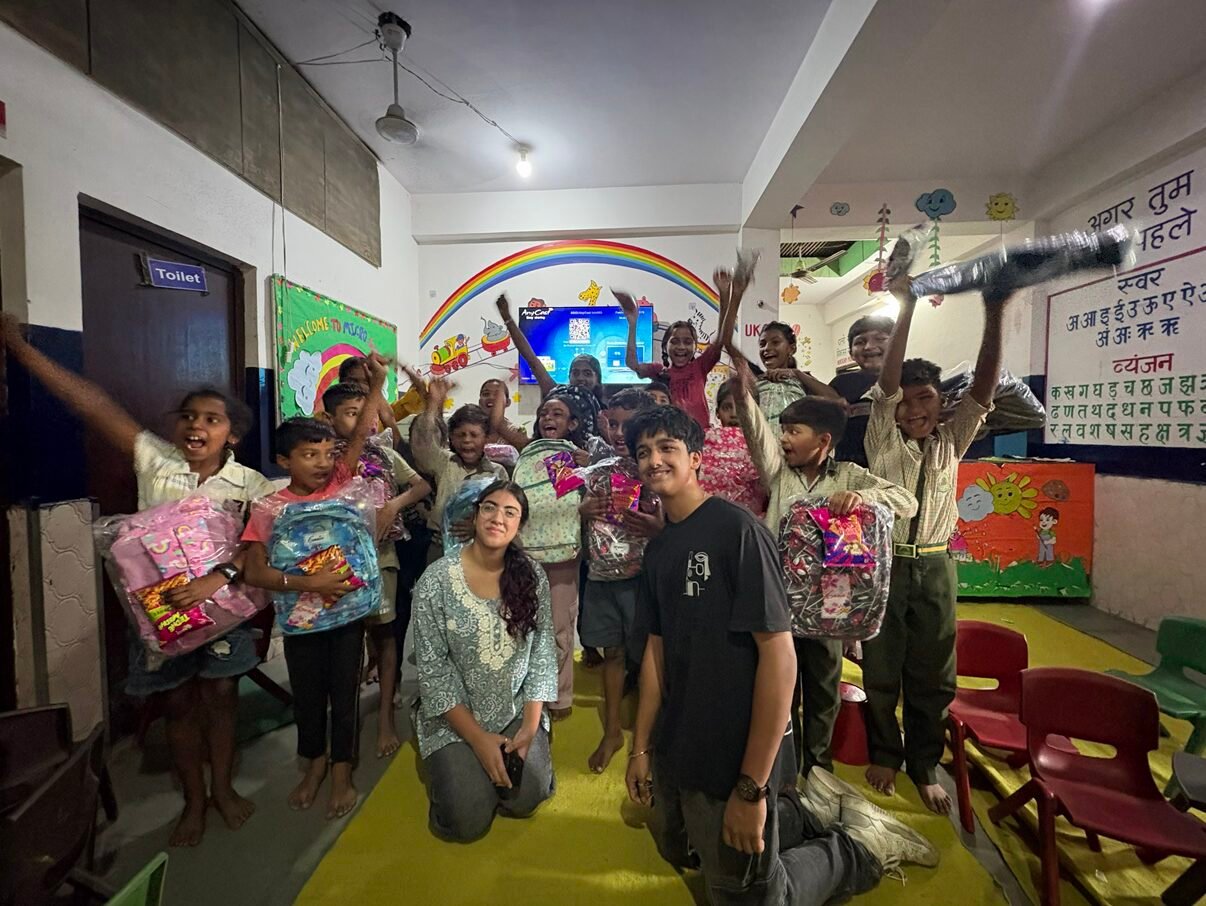
At 17, Shreya Gupta founded SkillARC to equip underprivileged youth with leadership, communication, financial literacy and essential life skills.
GURUGRAM: For most students, school leadership programmes are a milestone that ends with a certificate. For 17-year-old Shreya Gupta, they became the starting point of a mission.
Today, the Grade 12 student is the founder of SkillARC, a youth-led social initiative working to equip underprivileged youth with life skills that are often absent from traditional classrooms. The idea, however, did not begin with a business plan or a formal organisation. It began in Grade 9, inside TYLP (The Youth Leadership Program) at Suncity School, Sector 37D, Gurugram.
As a participant in TYLP, Shreya was introduced to leadership through collaboration, empathy, communication, and experiential learning. The programme challenged students to think beyond academics and understand the importance of creating meaningful impact within their communities.
For Shreya, the experience raised a question that would eventually shape her journey.
“If opportunities like TYLP can transform the confidence and outlook of students, why should they remain accessible to only a few?”
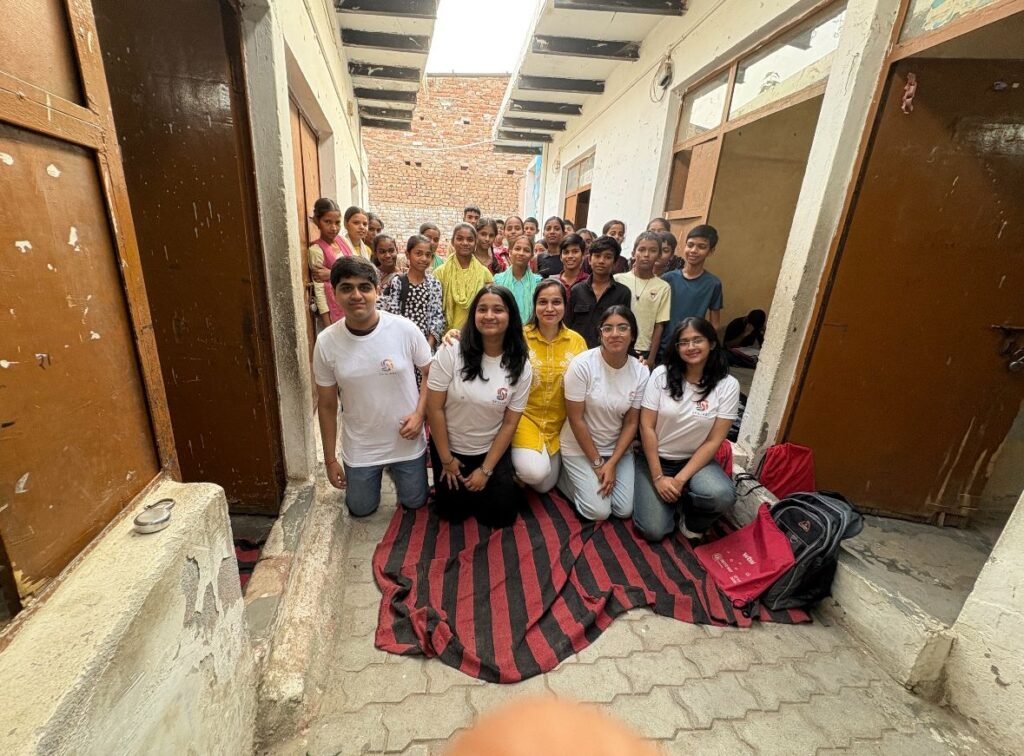
The question stayed with her long after, while volunteering and interacting with children from underprivileged communities, she recognised a striking reality. The young people she met possessed talent, determination, and aspirations that were no different from those of their peers. What they lacked was exposure to opportunities that nurtured confidence, leadership, communication, financial literacy, and problem-solving. The difference was not one of ability, but of access.
That realization became the foundation of SkillARC.
Established as a youth-led initiative, SkillARC seeks to bridge the gap between academic education and the practical life skills that enable young people to succeed beyond the classroom. Its workshops focus on communication, leadership, financial literacy, emotional intelligence, critical thinking, teamwork, public speaking, and decision-making through interactive and experiential learning.
Unlike conventional classroom teaching, SkillARC encourages students to participate actively, reflect on real-life situations, collaborate with peers, and build confidence through practice. The initiative believes that life skills are not developed through lectures alone but through experiences that encourage young people to think independently and lead responsibly.
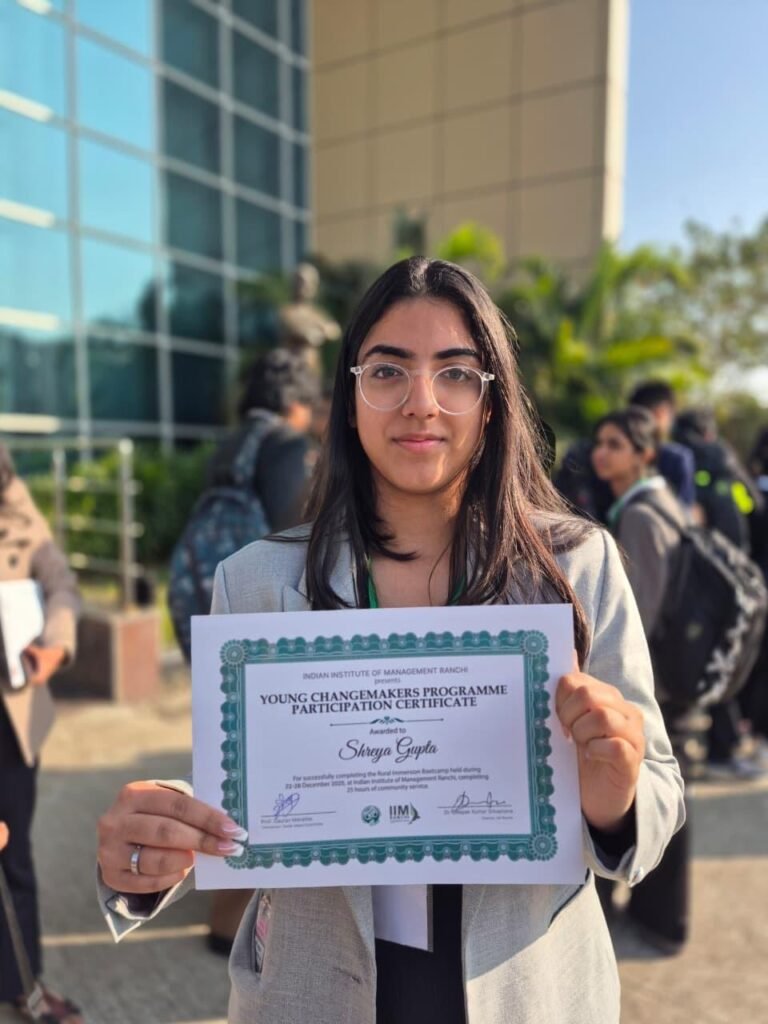
Shreya Gupta, founder of SkillARC, empowering underprivileged youth through life skills education
Balancing academics with the responsibilities of leading a social initiative has been a demanding journey. Between examinations, school commitments, and planning workshops, Shreya has learnt lessons in resilience, time management, and perseverance that no textbook could have taught.
Her vision for SkillARC extends beyond individual workshops. She hopes to collaborate with schools, NGOs, and community organisations to make life skills education accessible to underprivileged youth across India. By creating learning spaces where students feel heard, encouraged, and empowered, the initiative aims to prepare young people not only for careers but also for responsible citizenship.
The initiative reflects the growing recognition that education must evolve alongside the changing demands of society. As India continues implementing the National Education Policy’s emphasis on holistic learning and twenty-first century skills, youth-led initiatives like SkillARC demonstrate how students themselves can become active contributors to educational change.
For Shreya Gupta, the journey that began with a leadership programme in Grade 9 has grown into something far greater than she imagined. It has become a platform through which she hopes to ensure that every young person, regardless of socioeconomic background, has the opportunity to develop the confidence and skills needed to shape their own future.
Her story serves as a reminder that meaningful change does not always begin with institutions or governments. Sometimes, it begins with a student who chooses to ask a simple question and has the determination to turn that question into action.
copyright@youngindia-io