

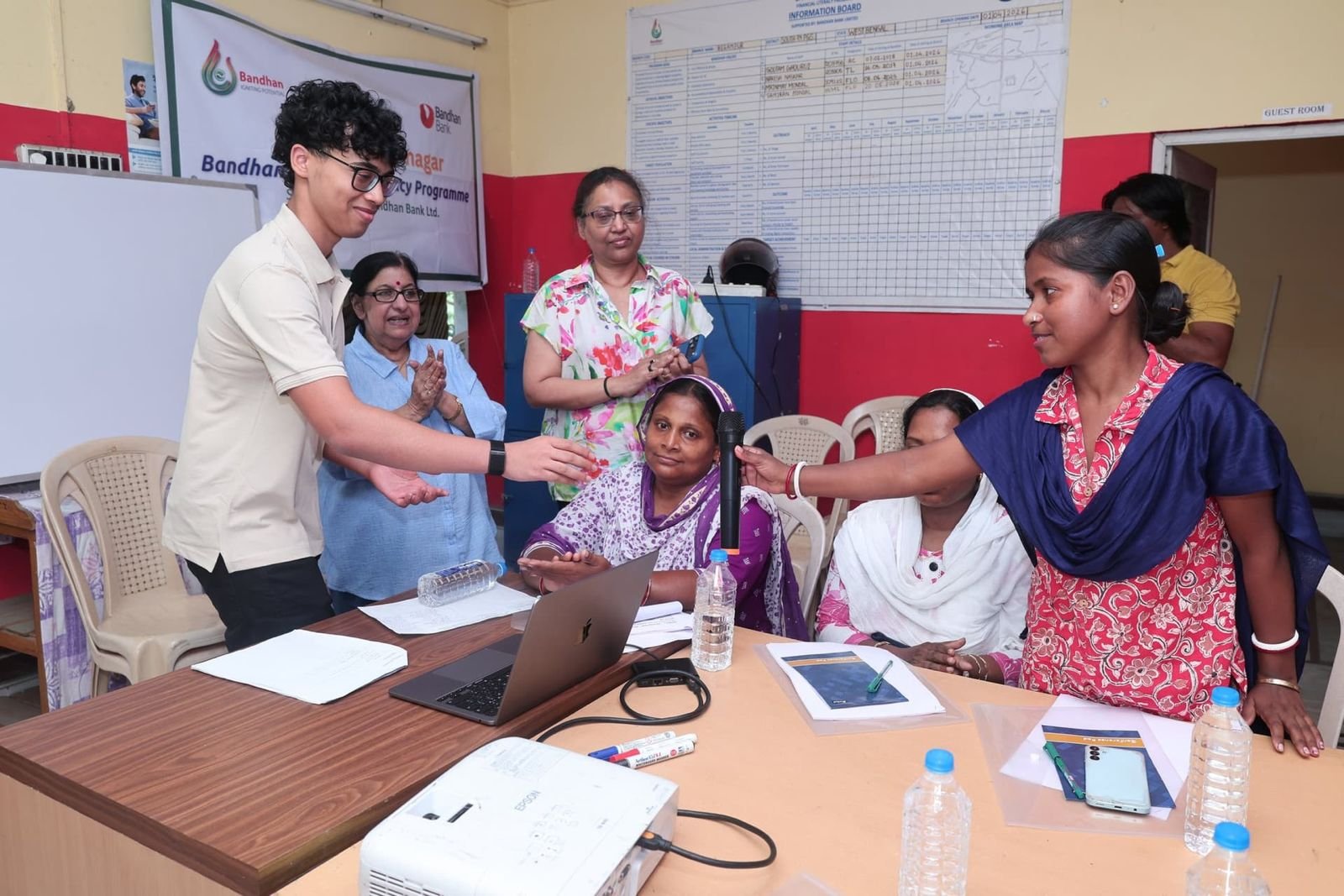
The Prosperity Project is delivering practical community and workplace financial-learning workshops across West Bengal and Maharashtra.
MUMBAI (Young India): At 17, Rehaan Chowdhary is working to expand access to practical financial education for women in India through The Prosperity Project, an initiative he founded in 2025. A student at Nord Anglia International School Dubai, Chowdhary has developed workshops that explain everyday money decisions through familiar examples and accessible language. The project says it has reached 420 direct learners through community and workplace programmes in West Bengal and Maharashtra. Sessions cover budgeting, savings, wages, borrowing, investments, digital payments, financial fraud and emergency planning. The programme is intended to help participants understand financial choices, compare financial offers and take steps to protect personal banking information. Its work sits within a wider financial-inclusion question: access to formal financial services does not by itself ensure that people can assess risks, ask informed questions or manage money confidently. The initiative is focused on building that practical understanding through locally delivered learning.
Personal Story Shapes
The idea for The Prosperity Project emerged from Chowdhary’s conversations with Shampa, who has looked after him since birth. He learned about a financial fraud that had affected her family and began considering how practical financial awareness might help people protect their savings and navigate money decisions more confidently. What began as his personal interest in finance gradually developed into a structured education initiative. He decided that learning materials would need to move beyond technical definitions and connect with situations that participants recognise in their homes, workplaces and communities. “I wanted to make financial education practical and relevant to the decisions people face in their everyday lives,” Chowdhary said. He said the purpose was not only to explain how money works, but also to enable people to ask questions, understand risks and make informed decisions about their own finances. This approach shaped the project’s curriculum, workshop format and community partnerships.
Practical Curriculum Design
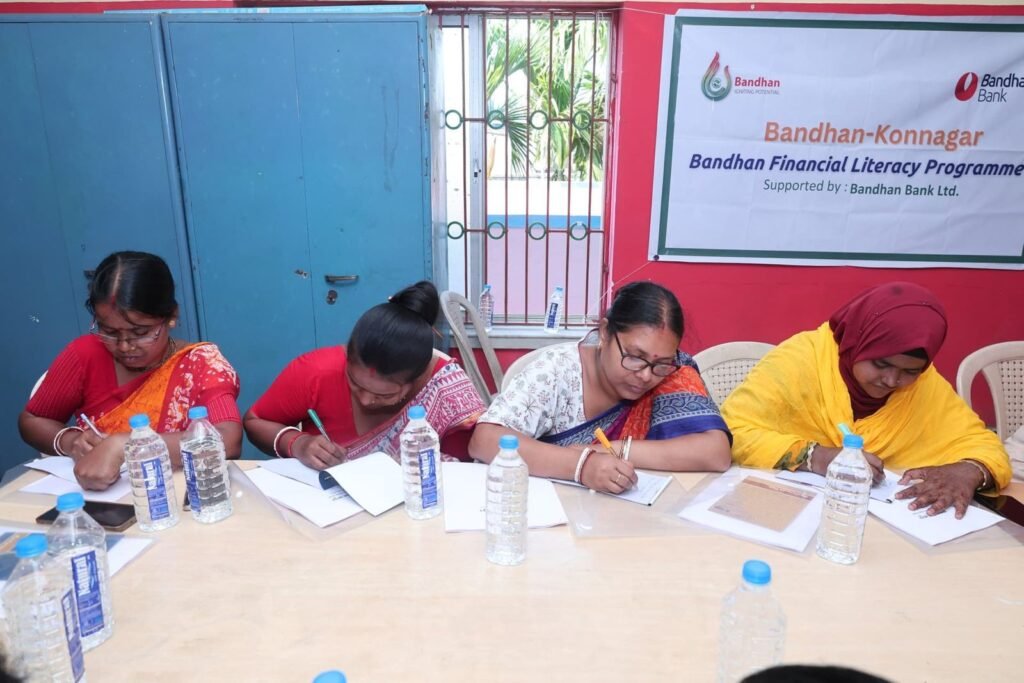
At the centre of the project is Knowing Your Money, a ten-module curriculum and textbook created by Chowdhary to explain financial concepts through accessible situations. The material covers budgeting, wages, savings, borrowing, investments, digital payments, financial fraud and emergency planning. Workshop sessions use examples intended to mirror decisions participants may face, including tracking household expenses and comparing loan repayment terms. They also discuss safeguarding banking information and understanding risks associated with different products. The emphasis is on everyday application rather than abstract instruction. By presenting financial concepts through household and workplace examples, the programme seeks to make it easier for learners to identify the questions that need to be asked before making a decision. The resources support facilitators as well as participants, and include teaching videos, multilingual material and a website that can be revisited after workshops. This enables learners to return to subjects that may require further explanation or practice.

Partnerships Extend Reach
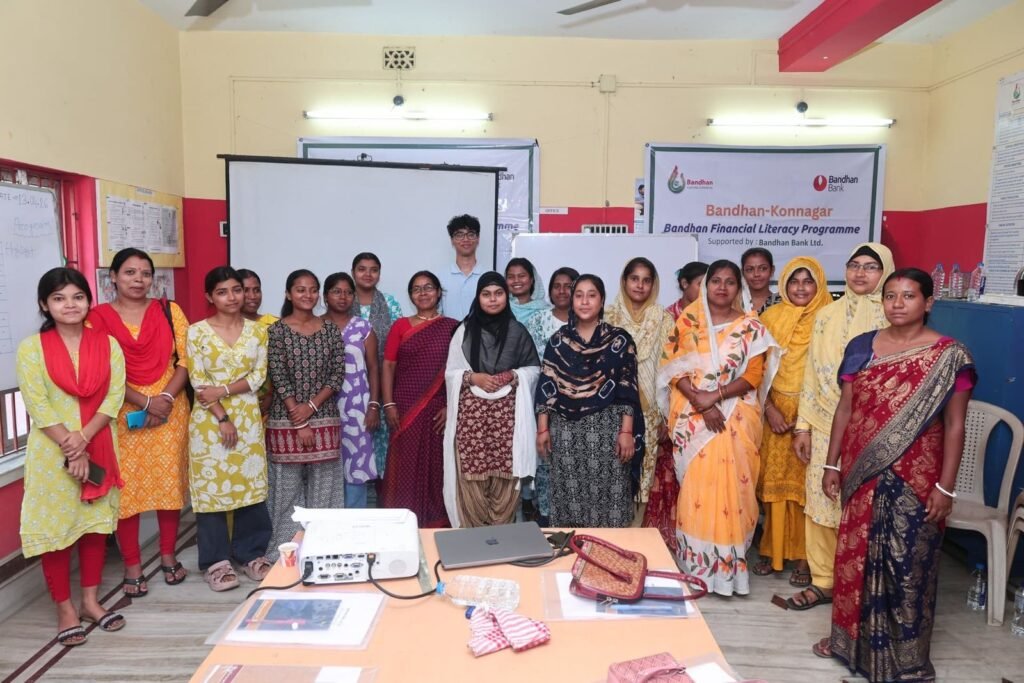
The project began its field workshops in Baruipur, West Bengal, working with Bandhan-Konnagar and with support from Bandhan Bank. It later expanded to Asansol through Bengal Shristi Infrastructure Development Limited and FEED. A workplace programme with Indo Count in Kolhapur, Maharashtra, extended the initiative beyond community settings and involved 200 women, according to figures provided by The Prosperity Project. The project reports 420 direct learners across its collaborations: 40 through Bandhan-Konnagar, 70 through Bengal Shristi Infrastructure Development Limited, 110 through FEED and 200 through Indo Count. These figures count participants reached directly through the workshops. The programme uses community and workplace partnerships to deliver financial-learning workshops to different participant groups. Local partners organise sessions, provide contextual support and help connect training material with concerns faced by learners in their locations. The learner total does not include people reached through later CRP teaching, according to figures provided directly by the project.

Community Resource Network
An important element of the programme is its Community Resource Person, or CRP, model, designed to extend the learning beyond individual workshops. Chowdhary has trained 40 CRPs through the Bandhan and Bengal Shristi collaborations, equipping them to share the curriculum with other people in their communities. The project says these 40 CRPs are included within the figure of 420 direct learners; individuals reached through their subsequent teaching are not included in that total. The model seeks to create local capacity around the material rather than relying exclusively on external facilitators. Teaching videos, multilingual resources and the project website are intended to support participants and facilitators after a session ends. They provide ways to revisit topics and reinforce the practical concepts covered during training. The longer-term aim is to enable organisations working with women to use the resources, prepare local facilitators and continue practical financial education within their communities and workplaces.
Localised Learning Delivery
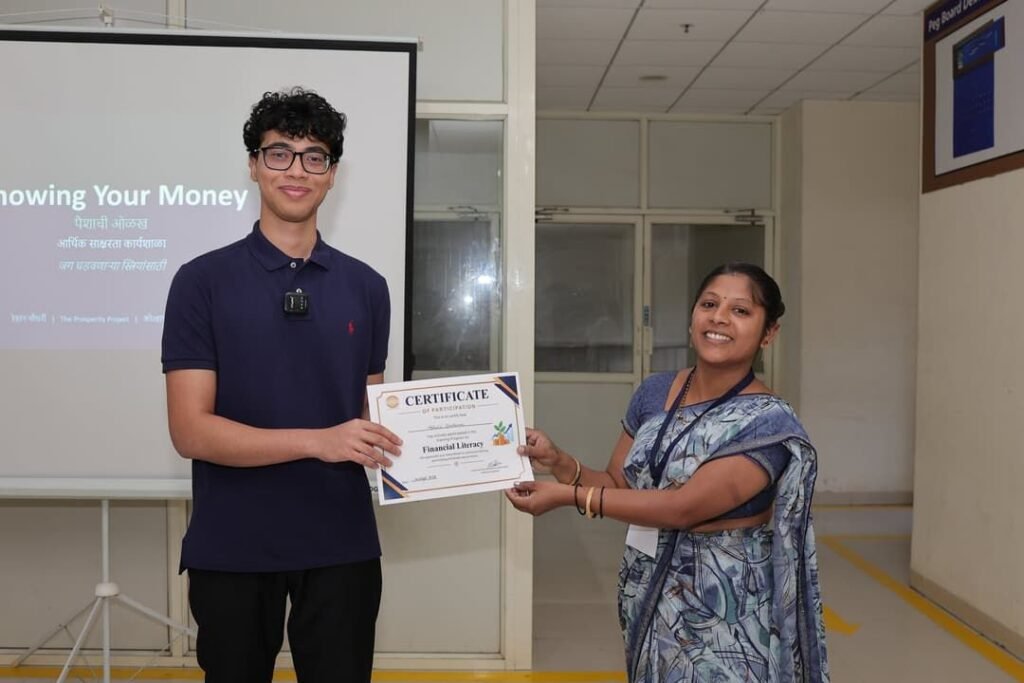
The workshops are adapted to the language and circumstances of participant groups. Sessions are conducted in Hindi and English, while local teams provide language support. At Indo Count, local support helped facilitate Marathi translation for the workplace programme in Kolhapur. The project says this localised format is intended to make financial terms and examples easier to follow in different settings. The workshops are built around familiar decisions, such as planning household expenditure, considering borrowing terms, identifying fraudulent requests and preparing for emergencies. They also aim to explain digital payments and investment-related risks through examples that can be discussed in a group setting. By working with community organisations, local facilitators and employers, the project can modify delivery without changing the core curriculum. This approach allows the Knowing Your Money material to be used with women in different regions while retaining a common structure around practical money management and informed financial decision-making.
Measuring Future Impact
The Prosperity Project uses before-and-after assessments to examine participants’ understanding of the material and identify concepts that may need further explanation. Chowdhary has developed a supporting measurement system for matching participant responses, scoring assessments and organising data. Follow-up tools are intended to examine what people retain after training and whether they report applying the learning in daily financial decisions. The project says an impact report is being finalised and that its detailed outcome findings will be shared separately on the organisation’s website. Its next phase is expected to involve additional community organisations and employers, with continued emphasis on locally relevant teaching, facilitator preparation and follow-up learning. The project’s stated objective is to enable partner organisations to maintain financial education in their own communities and workplaces. By combining curriculum, local delivery and assessment, it is seeking to build a model that can support sustained practical learning rather than one-time workshop participation.